Many women have long felt that something is wrong with their bodies—yet still can’t get a clear answer. Their legs feel heavy, are sensitive to touch, bruise easily, and show little change despite exercise and a healthy diet. It’s not uncommon for this to be caused by lipedema.
What is lipedema?
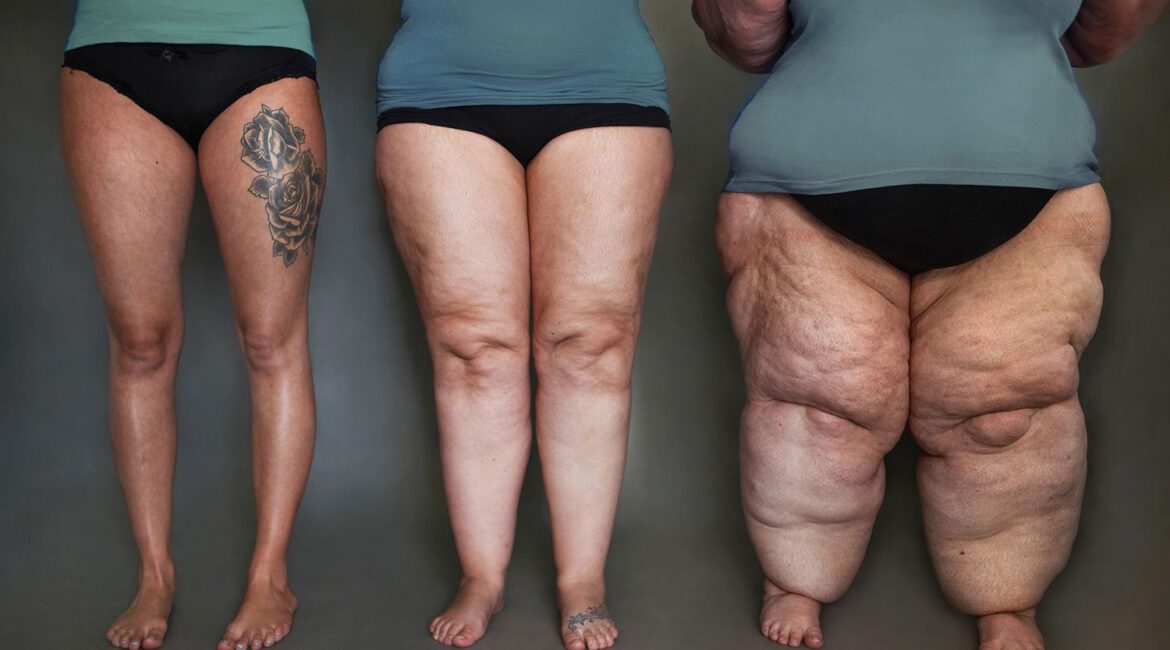
Lipedema is a chronic disorder of fat distribution. It primarily affects the legs, hips, and buttocks, and in some cases, the arms as well. A characteristic feature is that the symptoms usually do not affect the entire body, but primarily the extremities—while the hands and feet are often spared. This often leads to a clearly visible disproportion between the upper and lower body.
Many patients report that their symptoms began during periods of hormonal change—for example, during puberty, after pregnancy, or during menopause. From a modern medical perspective, lipedema is considered a chronic condition of the subcutaneous fatty tissue.
What are the symptoms of lipedema?
The symptoms can vary in severity. However, there are typically some recurring symptoms:
- heavy, tense, or aching legs
- Pain on pressure even with light touch
- tendency to bruise easily
- Discomfort after standing, sitting, or walking for long periods
- uneven fat distribution on the legs or arms
- no noticeable improvement despite diet or exercise
It is precisely this last point that causes particular anxiety for many people affected. Although they make an effort, they see little change in the affected areas of their bodies. This is exactly what serves as an important indication that this is not simply “normal weight gain.”
Why the right diagnosis is so important
Many women with lipedema have already endured a long and difficult journey. The condition is often initially mistaken for obesity or lymphedema. As a result, it often takes a long time before an accurate diagnosis is made. This is stressful—not only physically, but also emotionally.
A specialist evaluation is therefore particularly important. This is the only way to determine whether you actually have lipedema, how severe it is, and which treatment options are appropriate for your specific situation.
Lipedema isn't your fault
For many patients, this realization comes as a great relief: lipedema is not simply caused by a lack of exercise or “eating the wrong foods.” Being overweight can exacerbate symptoms or add to the burden, but it is not considered the cause of lipedema.
That is why it is so important to take these symptoms seriously and not struggle for years with something that should be medically evaluated.
What can you do if you recognize yourself in this?
If you notice several of these symptoms in yourself, the first important step is to get a professional examination. The earlier lipedema is diagnosed, the sooner we can work together to determine an appropriate treatment plan. Our website describes conservative measures such as compression therapy as well as—depending on your symptoms—surgical options.
Above all, it’s important to remember: you don’t have to deal with your symptoms alone.
Conclusion
Lipedema often manifests itself not only externally, but primarily through pain, tenderness, and the feeling that one’s body isn’t functioning as it should. Recognizing typical signs early on can help you get clarity more quickly and take the next step.
Do you think you might have lipedema?
In that case, a consultation with a specialist is the best way to get a definitive diagnosis and discuss appropriate treatment.