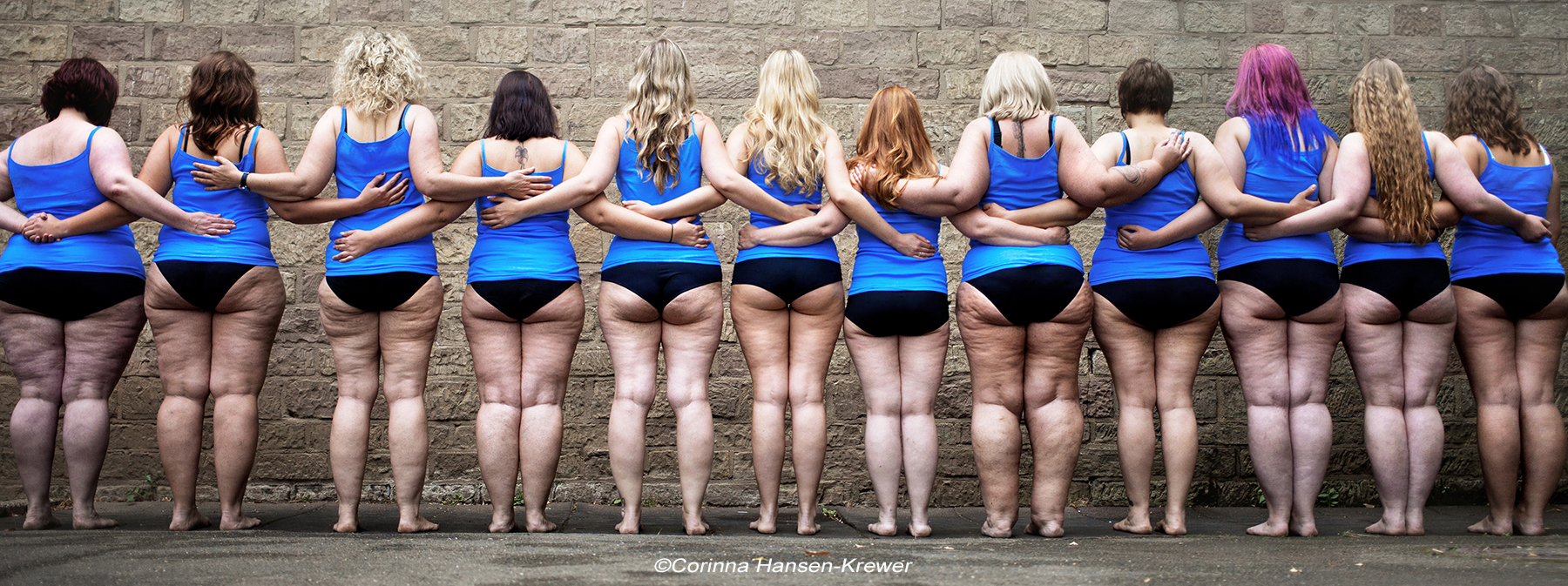
Lipedema is a chronic fat distribution disorder that occurs almost exclusively in women. It is typically characterized by a symmetrical increase in fat tissue, especially in the legs and, in some cases, also in the arms. Common symptoms include pain, tenderness, easy bruising, and a feeling of heaviness or tightness.
Lipedema is more than a visible physical change. Many people affected by it suffer from pain, sensitivity to pressure, heavy legs or arms, and the frustrating feeling that exercise and a healthy diet do not lead to real improvement. We help you better understand your symptoms and find the right next steps.
Many women go through a long period of uncertainty before lipedema is correctly diagnosed. In many cases, the symptoms are initially mistaken for obesity or lymphedema. The problem is that this often leads to treatments that do not address the real cause. A careful diagnosis is therefore the foundation of any meaningful treatment plan.
The stages of lipedema
How lipedema develops and how the different stages can be distinguished.
Lipedema is not simply “extra weight in the legs and arms”
Many people affected by lipedema experience that their symptoms are misunderstood by others. However, lipedema is not the same as being overweight. Typical signs include pain, tenderness, disproportion between the upper and lower body, and symptoms that usually do not improve sufficiently through exercise or dietary changes alone.
If you suspect that your symptoms may be caused by lipedema, feel free to book an appointment.
If you suspect that your symptoms may be caused by lipedema, feel free to book an appointment. Together, we will assess your situation from a medical perspective and discuss which next steps may be right for you.
Would you like personal advice?
Whether you are looking for an initial assessment, have specific questions, or want to discuss the next step in treatment - we support you personally and with a clear focus on your individual situation.