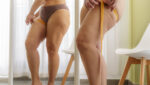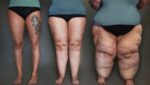

At some point, many women notice that something is changing in their bodies, but it doesn’t feel normal. Their legs feel stronger, more sensitive, or heavier. They may also experience pain, tenderness, or bruising. And even though you’re watching what you eat and exercising regularly, there’s hardly any change in your legs or arms.
It is precisely in this situation that many people ask themselves: Is this just weight gain—or could there be more to it?
When the body changes in ways other than expected
Not every change in the legs, hips, or arms is necessarily lipedema. But there are typical signs that warrant a closer look—especially if the changes don’t seem to fit with how the rest of your body feels.
Many patients describe how their upper body remains relatively slim, while their legs or arms are significantly more affected. This often results in a visible imbalance that cannot be easily corrected through exercise or weight loss.
Common signs that may indicate lipedema
Lipedema is usually not just visible on the outside. The symptoms that accompany it are what matter most. These often include:
- Pain or a feeling of tightness in the legs
- Sensitive to pressure even with the slightest touch
- tendency to bruise easily
- Heavy, tired legs in everyday life
- a symmetrical change in both legs or arms
- little change despite dietary changes or exercise
It is precisely this last point that weighs heavily on many women. They make an effort, take care of themselves, and yet still feel like they’re not making any progress.
Normal weight gain usually feels different
Normal weight gain is usually distributed more evenly throughout the body. It is also not automatically associated with pain, tenderness, or a noticeable tendency to bruise.
In contrast, many people with lipedema report a clear physical difference: the affected areas not only feel larger, but are often also tender, tight, or heavy. So it’s not just about appearance, but about real discomfort.
Why many women struggle with self-doubt for so long
Lipedema is still often diagnosed late. For years, many women hear comments like, “You just need to exercise more” or “Maybe you should change your diet.” This can be unsettling and lead those affected to blame themselves.
Yet that is often one of the most stressful aspects: the feeling of constantly having to explain yourself, even though your body has long since signaled that something is wrong.
Clarity brings relief
Only a specialist examination can definitively determine whether lipedema is actually present. But simply taking your symptoms seriously and seeking a medical evaluation can be an important first step.
Because clarity often takes the pressure off. You no longer have to just guess, compare, or doubt yourself; instead, you can pinpoint exactly what’s causing your symptoms.
It pays to check early
The sooner typical signs are recognized, the sooner a sensible approach to dealing with them can be found. This doesn’t mean you have to start thinking about major decisions right away. Above all, it means trusting your own symptoms and giving them space.
If you feel that your legs or arms haven't just changed, but are actually causing you discomfort, you should take that seriously.
Conclusion
Not every case of weight gain is lipedema. But if it’s accompanied by pain, tenderness, bruising, and a noticeable imbalance in body proportions, it’s worth taking a closer look.
The most important thing is this: You’re not imagining your symptoms. And you don’t have to figure out what’s causing them on your own.