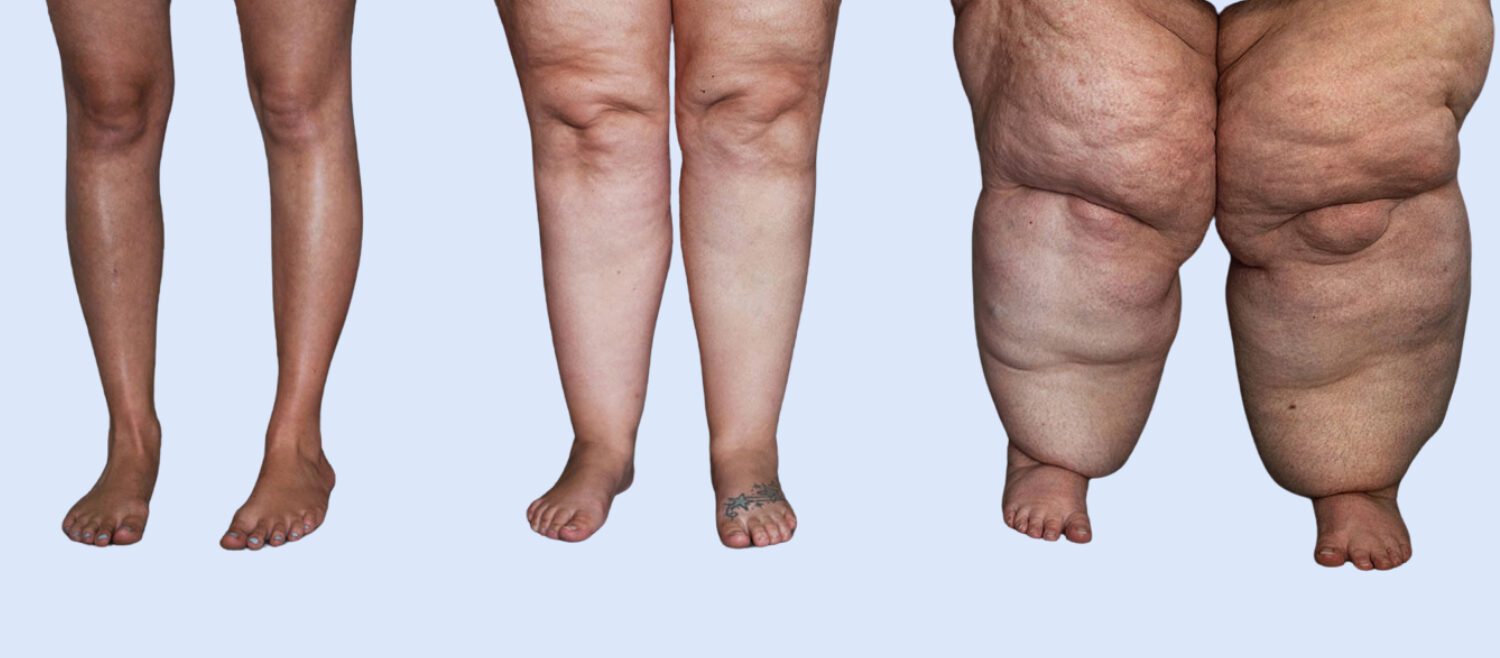
Lipedema is a chronic condition of the subcutaneous fatty tissue that affects almost exclusively women. The first signs often appear during periods of hormonal change, such as puberty, after pregnancy, or during menopause. To better classify changes in the skin and tissue, lipedema is divided into three stages.
Classifying the condition into stages helps to better describe the structure of the tissue and the visible appearance of the skin. This classification is based primarily on physical examination findings and the appearance of the skin’s surface. It is important to note that the stage does not automatically indicate the severity of your symptoms or pain. Even in the early stages, the psychological distress can already be significant.
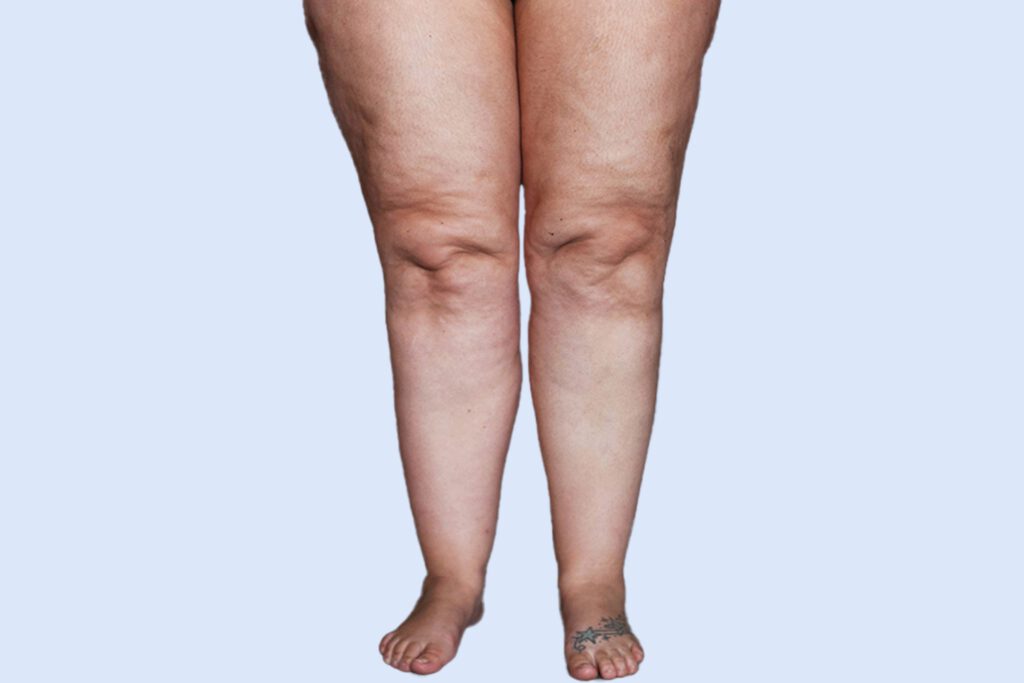
In the first stage, the skin’s surface still appears smooth. The subcutaneous fatty tissue is already uniformly thickened, but the fat structure appears more fine-grained to slightly nodular. From the outside, lipedema is often still difficult to detect at this stage, but many affected individuals are already noticing initial changes or experiencing symptoms.
Lipedema Stage II
In the second stage, the skin’s surface becomes more uneven and often appears dimpled. The subcutaneous fat tissue also continues to change: the fat structure becomes coarser and more nodular. For many patients, the physical changes become more clearly visible at this stage.
Lipedema Stage III
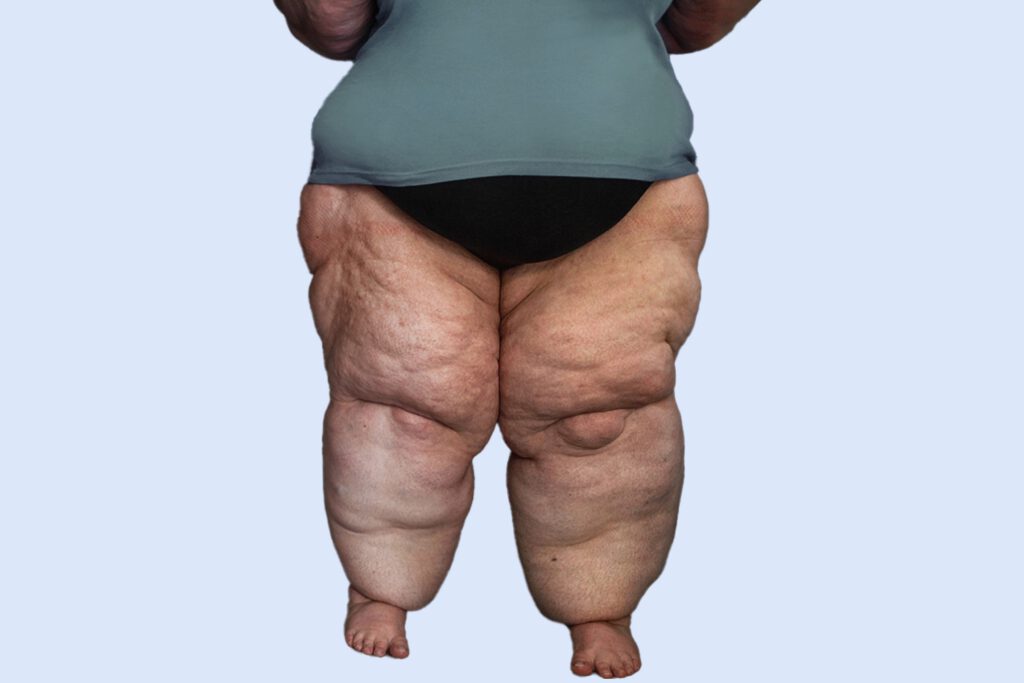
In the third stage, there is a marked increase in circumference accompanied by significant changes in tissue structure. Typical features include overhanging skin and a marked increase in the affected adipose tissue. At this stage, lipedema is usually clearly visible and often causes significant difficulties in daily life.
It is not only the stage but also the affected areas that are important
The staging system is a medical guide, but it does not fully describe how much lipedema affects your daily life. Several factors are always important for assessment: symptoms, affected areas, mobility, sensitivity to pressure, and your individual situation. The existing page also notes that individual pain levels are not factored into the staging system alone.
If you're unsure whether your symptoms are consistent with lipedema or how to interpret your test results, feel free to schedule an appointment or take the self-assessment for initial guidance.
Play Video
Lipedema self-test
Are you wondering whether your symptoms could be caused by lipedema? Our 12-point self-test offers an initial assessment.
Whether you are looking for an initial assessment, have specific questions, or want to discuss the next step in treatment - we support you personally and with a clear focus on your individual situation.